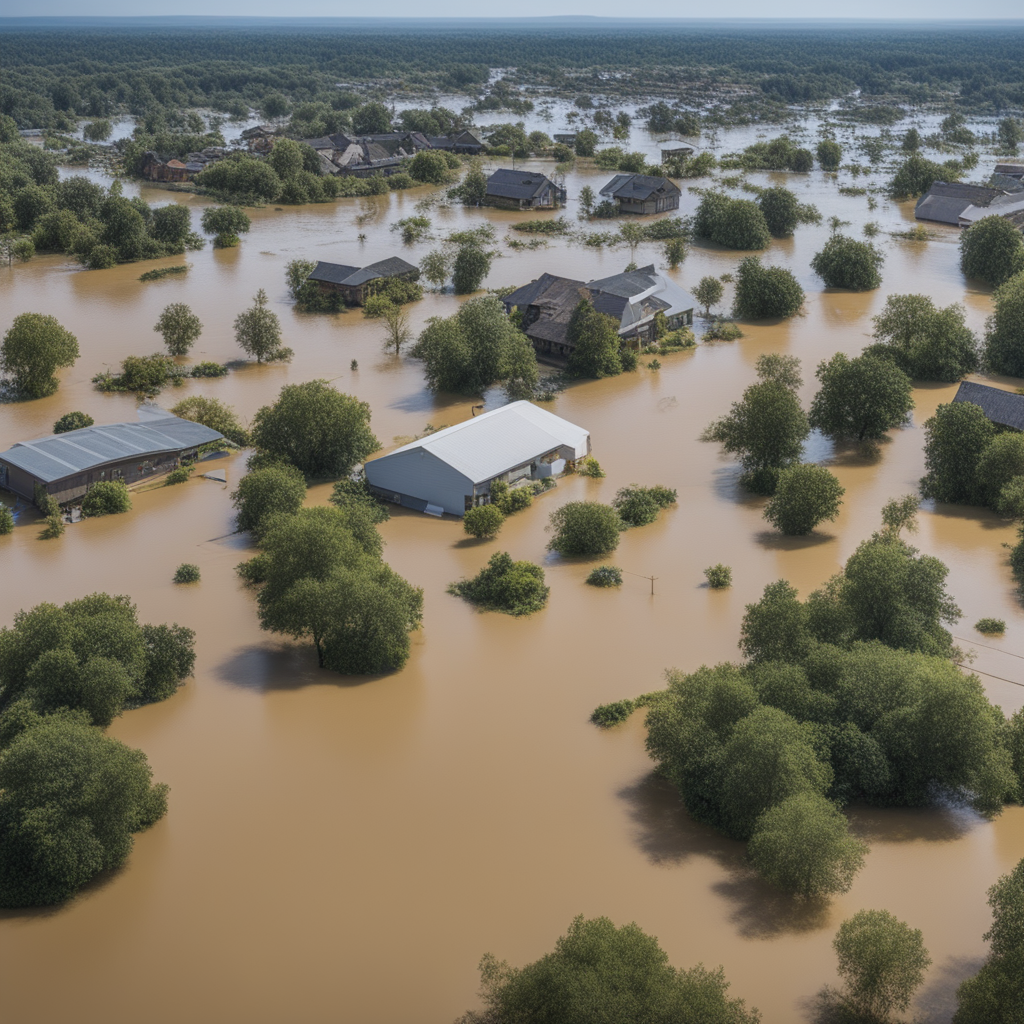
Preparing for a natural disaster is essential for ensuring safety and reducing stress during and after the event. The steps below will guide you through specific things you can do to prepare ahead of time, covering everything from securing basic supplies to organizing essential documents.
1. Create an Emergency Plan
Why it’s important: Having a clear, organized plan helps ensure that you and your family know exactly what to do during a disaster, reducing confusion and panic.
Steps:
Designate meeting points: Choose a safe place where family members will gather if separated. This could be a local shelter, a relative’s house, or a designated area within your home.
Establish communication methods: Identify how you’ll stay in touch during and after a disaster. Agree on a communication plan, such as texting if phone lines are down or using walkie-talkies.
Assign responsibilities: Each family member should have specific tasks. For example, one person might be responsible for gathering important documents, while another takes charge of securing pets.
Example: If a hurricane is forecast, decide where to meet if you’re separated and ensure everyone knows the evacuation route.
2. Stock Up on Emergency Supplies
Why it’s important: Access to basic necessities like food, water, and medical supplies may be limited during or after a disaster. Preparing in advance ensures you’ll have enough to survive without external help.
Steps:
Water: Store at least one gallon of water per person per day for a minimum of three days (for drinking and sanitation). If space allows, store enough for a week or more.
Non-perishable food: Stock up on canned foods, dried fruits, energy bars, and other non-perishables. Don’t forget manual can openers!
Medical supplies: Prepare a fully stocked first aid kit with bandages, antiseptics, pain relievers, prescription medications, and any special needs supplies.
Tools and hygiene: Have essential tools like a flashlight, multi-tool, duct tape, blankets, garbage bags, and personal hygiene items like soap, toothpaste, and feminine hygiene products.
Example: If you live in a wildfire-prone area, ensure you have a week's worth of food and water stored in case evacuation routes are blocked.
3. Prepare Emergency Lighting and Power Solutions
Why it’s important: Power outages are common during natural disasters. Being prepared with backup power and lighting ensures you can still communicate, navigate, and stay informed.
Steps:
Charge all devices: Charge phones, laptops, tablets, and portable battery packs fully before the disaster hits. Make sure you have a reliable power bank.
Get a solar-powered battery unit: Solar chargers or solar-powered battery units can keep phones and small devices charged during extended power outages.
Stock up on batteries: Ensure you have fresh batteries for flashlights, radios, and any medical devices. Keep extra batteries in various sizes (AA, AAA, etc.).
Invest in a generator: If possible, purchase a portable generator to power essential appliances like refrigerators, lights, or medical equipment. NEVER USE A GENERATOR INDOORS ON IN A GARAGE.
Example: For hurricane preparedness, fully charge your phone, portable chargers, and consider getting a solar-powered unit to keep your devices charged even if power is out for days.
4. Organize Important Documents
Why it’s important: In a disaster, you may need quick access to critical information like identification, medical records, and insurance documents. Securing these ahead of time ensures you’re ready if you need to evacuate quickly.
Steps:
Gather vital documents: Collect copies of IDs (passports, driver’s licenses), insurance policies (home, auto, health), property deeds, birth certificates, and medical records.
Store digitally: Back up these important documents on a USB drive or cloud storage, so you have access even if physical copies are lost.
Use waterproof storage: Keep physical documents in a waterproof, fireproof box or bag to prevent damage.
Example: Before an evacuation, ensure your insurance documents and medical records are backed up digitally and stored in a waterproof safe that can be easily grabbed during evacuation. Download Insurance apps and passcodes to your phone prior.
5. Create an Evacuation Kit (Go-Bag)
Why it’s important: If you need to evacuate quickly, having a pre-packed go-bag with essentials can make a huge difference in your safety and comfort.
Steps:
Essentials for each person: Pack 72 hours' worth of food, water, clothing, and hygiene items for each family member. Include a flashlight, first aid kit, and a portable phone charger.
Personal items: Include prescription medications, eyeglasses, pet supplies, cash, and any comfort items (like a book or small toy for children).
Tailor to your environment: Customize your go-bag for the type of disaster. If you live in an area prone to flooding, include a waterproof poncho and water shoes. If in a wildfire zone, pack N95 masks to protect from smoke inhalation.
Example: For earthquake preparedness, ensure each family member has a go-bag ready with enough supplies to sustain them for three days, including food, water, and sturdy shoes for walking over debris.
6. Prepare Your Home
Why it’s important: Securing your home against potential damage helps reduce risk to life and property, giving you peace of mind when a natural disaster occurs.
Steps:
Secure loose items: Tie down or bring in outdoor furniture, planters, and other loose objects that could become projectiles in high winds.
Shutter windows and doors: Install storm shutters or board up windows with plywood. For earthquakes, secure heavy furniture to the walls to prevent tipping.
Clear drains and gutters: Ensure all drains, gutters, and downspouts are clear of debris so that water can flow freely, reducing the risk of flooding.
Turn off utilities: Learn how to shut off your home's gas, water, and electricity in case of evacuation or if authorities recommend doing so to prevent further damage.
Example: If a hurricane is approaching, shutter windows, secure outdoor furniture, and be prepared to turn off your electricity and gas if flooding occurs.
7. Prepare Your Vehicle
Why it’s important: You may need to evacuate in your vehicle, so keeping it well-prepared ensures you can leave safely and quickly.
Steps:
Keep your gas tank full: Always maintain at least half a tank of gas in your vehicle during disaster season to avoid last-minute trips to the gas station.
Pack an emergency kit: Include jumper cables, a flashlight, first aid supplies, a tire repair kit, extra water, blankets, and non-perishable food in your vehicle.
Plan your evacuation route: Know which roads are likely to be congested and plan alternative routes. Keep paper maps on hand in case GPS fails.
Example: For wildfire preparedness, maintain at least half a tank of gas, and keep an emergency car kit that includes water, blankets, and a flashlight.
8. Prepare for Pet Safety
Why it’s important: Pets are part of the family, and it’s essential to prepare for their safety during a disaster, especially if evacuation becomes necessary.
Steps:
Pet emergency kit: Pack a pet-specific kit with food, water, medications, a leash, a pet carrier, and comfort items like a favorite toy or blanket.
Plan for shelters: Research which evacuation shelters or hotels are pet-friendly. Not all emergency shelters accept animals.
ID your pet: Ensure your pet is microchipped and that their ID tags are up to date with your current contact information.
Example: For flood preparedness, pack enough pet food and water for at least three days, and make sure your pet’s carrier is easily accessible.
9. Stay Informed and Be Aware of Early Warnings
Why it’s important: Knowing when a natural disaster is approaching allows you to take action early, giving you more time to secure your safety and reduce panic.
Steps:
Monitor weather and news alerts: Use reliable sources like the National Weather Service, FEMA, or local government websites for up-to-date information.
Sign up for emergency alerts: Enroll in local emergency alert systems that send notifications via text, email, or apps. These can warn you about evacuations, road closures, or other critical updates.
Use a weather radio: If cell service is down, a battery-powered or hand-crank NOAA weather radio can keep you informed about conditions.
Example: Before a severe storm, sign up for local emergency alerts that will notify you of any evacuation orders or severe weather changes.
10. Stay Mentally and Emotionally Prepared
Why it’s important: Emotional preparedness is just as important as physical preparation. Remaining calm and mentally ready can improve your decision-making during a disaster.
Steps:
Practice emergency drills: Conduct regular family drills for evacuation, sheltering in place, or other scenarios based on the most likely disasters in your area.
Prepare mentally for the unexpected: Acknowledge that disasters can change rapidly, and conditions may worsen. Preparing mentally for unpredictability can help reduce panic.
Build resilience: Engage in activities that reduce stress and improve mental well-being before disaster strikes, like meditation, mindfulness, or grounding practices.
Example: Before a hurricane, run a family drill that practices the evacuation plan, including how to grab go-bags and check on pets quickly.
By following these detailed steps, you can better prepare yourself, your family, and your home for natural disasters. Planning ahead not only reduces risk but also helps you stay calm and resilient when the unexpected happens.